
Thinking about raising chickens in your backyard? Whether you’re just starting your flock or expanding to more hens, understanding chicken space requirements is critical for a healthy, happy, and productive coop.
In this guide, we’ll break down how much space chickens need in coops, runs, and free-range setups — plus how to make the most of a standard quarter-acre suburban lot. You’ll also get tips for breed selection, enrichment, waste management, and seasonal adjustments.
Article Guide13 sections
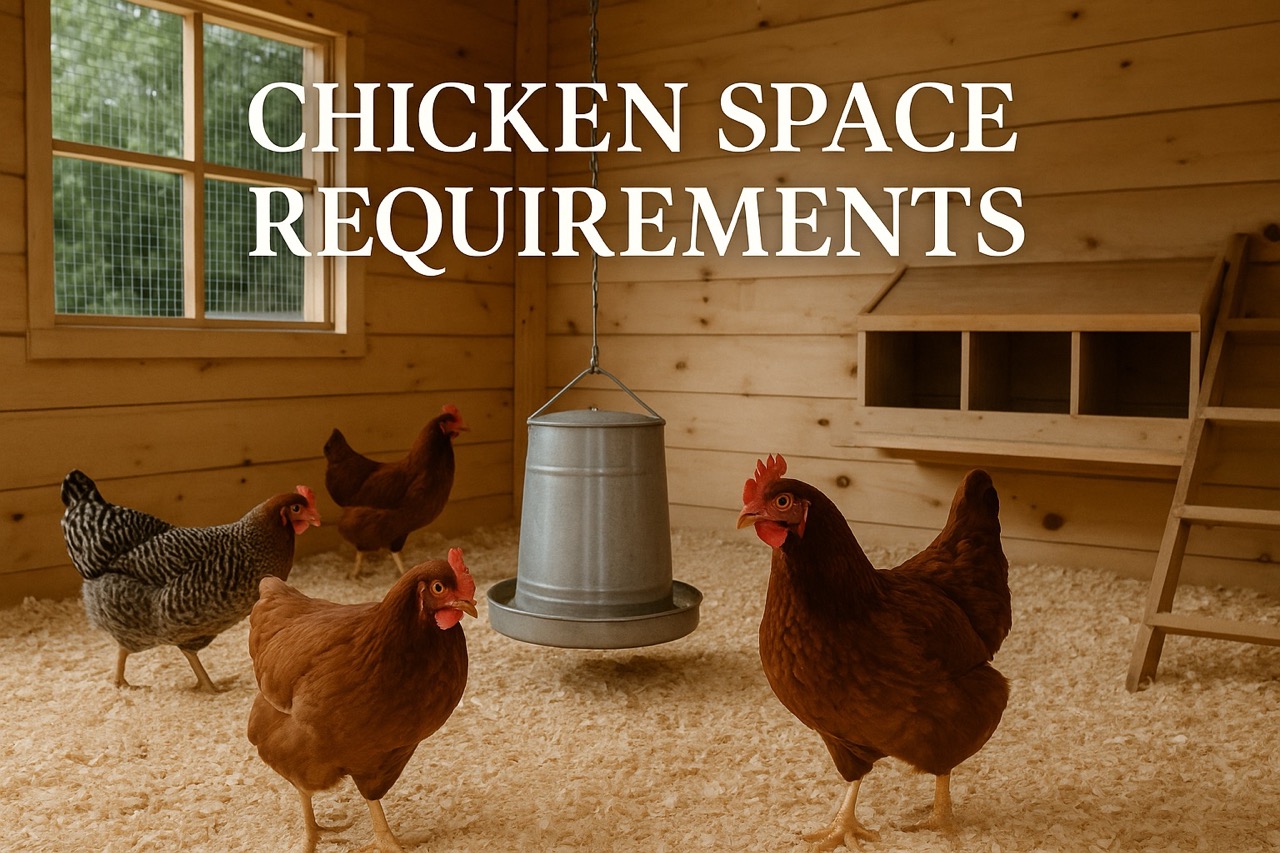
📦 1. Chicken Coop Space Requirements
A chicken coop isn’t just a shelter — it’s your flock’s sleeping quarters, nesting zone, and refuge from predators. Too little space leads to stress, aggression, and disease. Here’s how to plan it right:
Standard Breeds
🟢 4 sq ft per chicken
Example: 6 chickens = 24 sq ft coop (6 ft x 4 ft)
Large Breeds (e.g. Brahmas, Orpingtons)
🟢 8 sq ft per bird — Their size requires more floor space to prevent crowding.
Bantam Breeds
🟢 2 sq ft per bird — These small chickens thrive in urban setups and compact coops.
✅ Nesting Box Rule: One box per 3–4 hens.
✅ Ventilation is essential to avoid ammonia buildup and respiratory issues.
🌿 2. Chicken Run Space Requirements
Coop is for rest — but the run is for life. Chickens need room to scratch, peck, dust bathe, and stretch their wings. A quality chicken run reduces boredom and protects against predators.
Recommended Run Size
🟢 10–15 sq ft per bird
Example: 6 chickens = 60–90 sq ft run (e.g., 6 ft x 10 ft)
Chicken Tractors
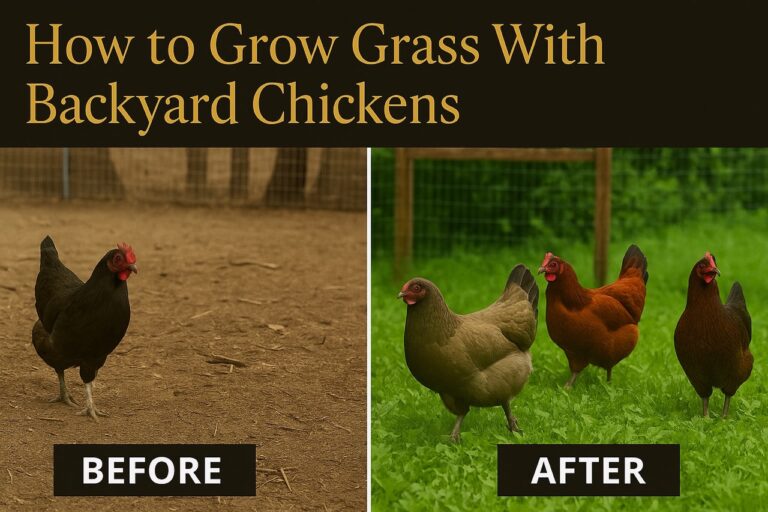
Mobile runs (chicken tractors) allow chickens to forage new ground daily.
Benefits include:
- Reduced odor
- Soil restoration
- Access to fresh bugs and greens
Run Enrichment Ideas
- Sand or ash dust bath zones
- Perches and stumps
- Shaded areas and foraging toys
🏞 3. Free-Range Chicken Space Requirements
Free-ranging offers the most natural lifestyle for chickens — but it must be done safely.
Minimum Free-Range Area
🟢 15 sq ft per chicken (bare minimum)
🟢 1,000+ sq ft per flock is ideal for healthy foraging and territory rotation
Predator Protection Tips
- Use welded wire fencing
- Add netting overhead for hawk protection
- Consider livestock guardian dogs or geese as deterrents
EU Benchmark:
The EU allows 1,000 birds per hectare = ~107 sq ft per chicken. Use that as a professional-level spacing reference.
📐 4. How Many Chickens Can Fit on 0.25 Acres?
A standard ¼-acre lot = 10,890 sq ft. How many chickens can it hold?
Coop + Run Setup for Backyard Flock
🟢 6–8 chickens:
- Coop: 24–32 sq ft
- Run: 80–120 sq ft
- Extra area for composting, dust baths, waterers
Free-Range Setup on ¼ Acre
🟢 Allocate 2,000–4,000 sq ft
- Can support 10–15 chickens comfortably
- Include shaded trees, fencing, and water zones
🧠 5. Social and Environmental Space Needs
It’s not just square footage — it’s about how chickens live in the space.
🐓 Social Structure
- Minimum of 3 chickens = balanced pecking order
- Odd numbers reduce pairing-off aggression
🛁 Dust Bathing
- Use sand, diatomaceous earth, or ash
- Helps control lice, mites, and parasites naturally
🔁 Seasonal Adjustments
- Winter: Increase indoor coop time — avoid crowding
- Summer: Ensure airflow, cold water, and shade
♻️ 6. Waste Management and Composting
Chicken poop = garden gold — when handled right.
🧺 Coop Cleaning
- Clean weekly to reduce ammonia
- Use deep-litter method with dry carbon (straw, shavings)
🌱 Compost Tips
- Mix droppings with bedding and turn regularly
- Let age 4–6 months before using in vegetable gardens
- Result: Nitrogen-rich, pathogen-safe compost
🐣 7. Breed Matters: Size, Activity, and Space Needs
Your chickens’ breed affects how much room they need and how well they adapt to your setup.
Calm Breeds for Small Spaces
- 🟢 Orpington
- 🟢 Brahma
- 🟢 Silkie
These birds are docile and tolerate smaller coops.
Active Breeds for Free-Range
- 🟢 Leghorn
- 🟢 Rhode Island Red
- 🟢 Easter Egger
Great for wide open spaces and high egg production.
📏 8. Pro Planning Tips for Chicken Space
✅ Start with 3–4 hens and scale up
✅ Rotate pastures with a chicken tractor
✅ Check local ordinances on flock size and coop placement
✅ Design for upgrades — leave room to expand later
✝ Sacred Stewardship Reflection
“Be diligent to know the state of your flocks, and attend to your herds.” — Proverbs 27:23
Caring for your chickens is more than homesteading. It’s stewardship — a call to protect and nurture God’s creation with wisdom and love. Space isn’t just about square footage… it’s about flourishing.
💬 Final Thoughts on Chicken Space Requirements
Understanding chicken space requirements helps your flock stay healthy, clean, and productive — whether you’re raising 3 hens in a suburban yard or 30 on a mini-farm. Use these tips to build a backyard setup that balances peace, protection, and purpose.
Have questions or a creative coop layout to share? 🛠️ Drop your thoughts in the comments and let’s help more backyard flocks thrive.
🔗 Related Reading on Paranoid Prophet
- How Many Chickens to Start With
- Sacred Stewardship with Backyard Chickens
- Chicken Dust Bath Guide
- Benefits of Raising Backyard Chickens
- Best Chicken Breeds for Beginners
SOURCES
Ensuring your chickens have adequate space is crucial for their health and well-being. Here’s a comprehensive guide to help you determine the appropriate space requirements for your flock:
1. Coop Space Requirements
- Standard Breeds: Each standard-sized chicken requires a minimum of 4 square feet of indoor coop space. Chickens and More
- Large Breeds: Larger breeds, such as Orpingtons or Brahmas, need more room, with recommendations of up to 5 square feet per bird. Our Daily Homestead
- Bantam Breeds: Smaller breeds like Bantams can thrive with about 2 square feet per bird. Daily Chickens
2. Run Space Requirements
- Outdoor Runs: Provide at least 10 square feet of outdoor run space per chicken to allow for adequate exercise and foraging. Easy Coops
- Free-Range Areas: For free-ranging, aim for a minimum of 15 square feet per bird, though more space is beneficial for their natural behaviors. Chickens and More
3. Additional Considerations
- Roosting Space: Ensure each chicken has 8 to 10 inches of roosting space to rest comfortably. Chicken Fans
- Nesting Boxes: Provide one nesting box for every 3 to 4 hens to accommodate their laying needs. Chicken Fans
- Ventilation: Proper ventilation in the coop is essential to prevent respiratory issues and maintain air quality. Mile Four
By adhering to these guidelines, you can create a comfortable and healthy environment for your chickens, promoting their overall well-being and productivity.
FAQ: Chicken Space Requirements
Coop Space
1. How much coop space do chickens need?
Standard-sized chickens need 4 square feet per bird inside the coop. For larger breeds like Orpingtons or Brahmas, provide 8 square feet per bird, while smaller breeds like Silkies or Bantams need only 2 square feet per bird.
2. What happens if chickens don’t have enough space in the coop?
Overcrowding can lead to stress, feather pecking, aggressive behavior, and the spread of diseases. It’s crucial to ensure each bird has enough room to roost, lay eggs, and move comfortably.
3. How much roosting space do chickens need?
Each chicken requires 8-10 inches of roosting space to sleep comfortably without crowding.
Run Space
4. How much outdoor space do chickens need in a run?
Chickens need 10-15 square feet per bird in an outdoor run to exercise, forage, and express natural behaviors.
5. Can chickens stay in the run all the time?
Yes, but ensure the run is large enough and includes enrichment like perches, dust baths, and shaded areas to prevent boredom and stress.
6. What is a chicken tractor, and how does it help with space?
A chicken tractor is a portable run that allows chickens to forage in fresh areas while protecting them from predators. It’s ideal for rotating grazing areas and preventing overuse of any single spot.
Free-Range Space
7. How much space do free-range chickens need?
For free-ranging, aim for at least 15 square feet per bird, though more space encourages better foraging and healthier chickens.
8. How can I protect free-range chickens from predators?
Use predator-proof fencing, netting, or guardian animals like dogs or geese. Regularly check for gaps or weak spots in the enclosure.
9. What’s the difference between free-range and confined chickens?
Free-range chickens have access to open outdoor spaces, promoting natural behaviors like foraging and dust bathing. Confined chickens rely on coops and runs, which require careful design to ensure adequate space and enrichment.
Space for Specific Properties
10. How many chickens can I keep on a 0.25-acre lot?
A quarter-acre lot can comfortably support 6-8 chickens with a coop and run setup, or 10-15 free-range chickens if you dedicate 2,000-4,000 square feet of space to their roaming area.
11. Can I raise chickens in a small backyard?
Yes, bantam breeds are ideal for small backyards, as they require only 2 square feet per bird indoors and 5-10 square feet outdoors. Portable chicken tractors are also a great option for small spaces.
Behavioral and Environmental Needs
12. How many chickens should I start with?
Begin with 3-4 chickens to learn the basics of care and management. Chickens are social animals, so always keep at least three to ensure proper interaction.
13. How do I prevent overcrowding during the winter?
Provide extra indoor space in the coop during winter months when chickens spend more time inside. Ensure the coop is well-ventilated and free of drafts.
14. How can I make the most of limited space?
Use vertical space inside the coop for roosts and add multi-level perches or platforms in the run. Portable chicken tractors can also maximize usable space by rotating grazing areas.
15. Why is enrichment important in small spaces?
Enrichment reduces boredom and stress in confined chickens. Add dust baths, perches, hanging treats, and shaded areas to keep chickens mentally stimulated and healthy.