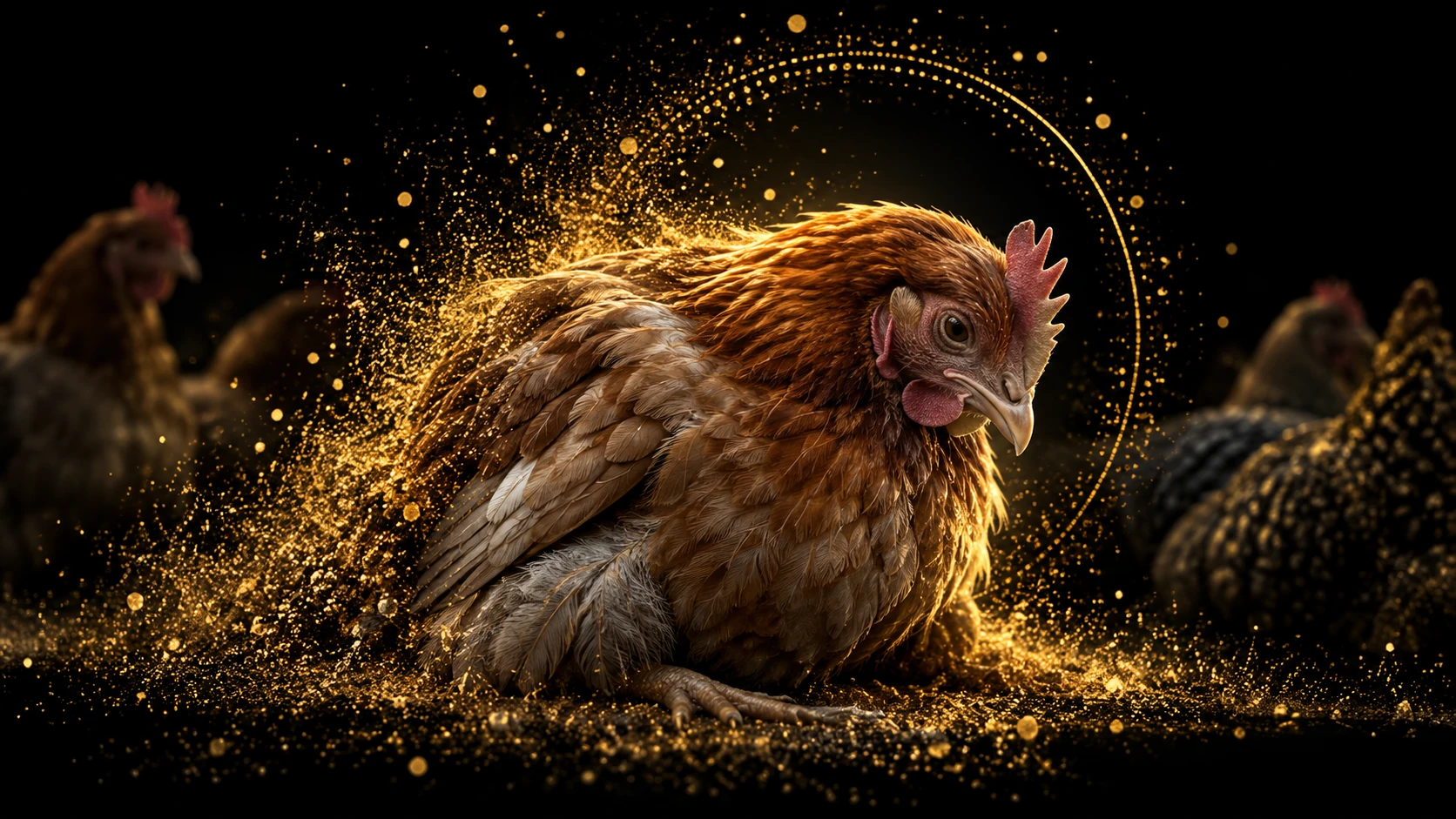

You walk into the run and one hen does not come toward you with the others. She stays in a corner, feathers puffed up, maybe with her eyes partly closed. She seems uninterested in breakfast.
Is she sick? What do you do first?
Start by protecting the bird, protecting the flock and gathering useful observations. Do not start by guessing a disease or pouring products into the water.
GUIDED ARTICLE EXPERIENCE
Sick Chicken? Warning Signs, First Aid & When to Call a Vet
Read along as the narration moves through the article.
Private device narration · No hosted audio or tracking
CONTINUE GUIDED TOUR
Continue where you left off.
GUIDED TOUR COMPLETE
You have reached the end of this study.
Study record saved on this device.
GUIDED TOUR
Sick Chicken? Warning Signs, First Aid & When to Call a Vet
Narrator: Paranoid Prophet Recommended Voice Native device narration
Prepare to follow the article as it is narrated.
VOICE & TOUR OPTIONS
Voice & Listening
NARRATOR
Finding a narrator…
Checking the best narrator available on this device.
Restores the best curated narrator available on this device.
Narrator choices are curated for clear, long-form listening on this device.
Screen-awake support will be checked when narration starts.
CHOOSE A NARRATOR
Curated for this device
Choose a verified narrator for this browser, or use System Narrator. Automatic mode uses the best reliable route exposed by this device; your chosen narrator is preserved even if this device needs a temporary fallback.
Preparing the guided article experience…
RESUME GUIDED TOUR?
Continue where you left off.
GUIDED TOUR COMPLETE
You have reached the end of this study.
Article Guide15 sections
Sick Chicken SOS: What to Do First
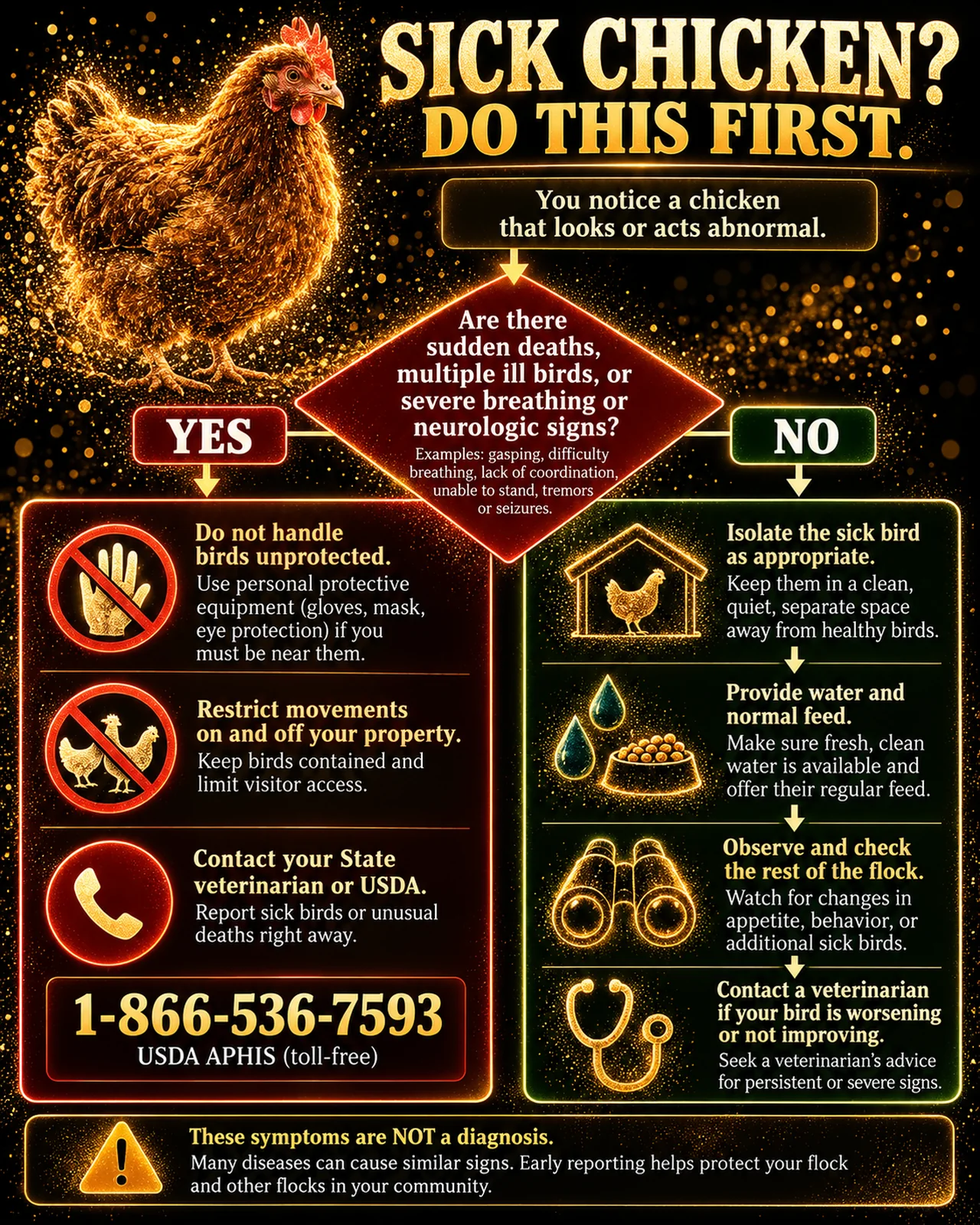
- Look for severe or contagious-disease warning signs before touching the bird.
- If sudden deaths, multiple sick birds, severe breathing trouble, neurological signs or unusual swelling/discoloration suggest a reportable disease, avoid unprotected contact, restrict movements and contact a veterinarian or animal-health authority immediately. Do not routinely carry a potentially infected bird into the house.
- If no such outbreak signs are present and it can be done safely, separate the sick or injured bird in an appropriate poultry isolation pen.
- Offer clean water, normal complete feed, dry bedding and conditions suitable for its illness or injury.
- Observe breathing, activity, appetite, droppings and injuries. Check the rest of the flock.
- Seek poultry-veterinary advice promptly for serious, worsening or unexplained symptoms.
The USDA APHIS sick-bird warning guide advises rapid reporting of potentially serious poultry illness. In the United States, contact your State veterinarian or USDA at 1-866-536-7593 when reportable disease is suspected.
Emergency signs: stop DIY troubleshooting
- Sudden unexplained deaths or multiple rapidly sick birds.
- Severe respiratory difficulty, gasping or pronounced breathing effort.
- Seizures, head or neck twisting, stumbling, loss of balance or collapse.
- Purple discoloration or major swelling of the head, comb, wattles or legs, especially with other illness signs.
- Major trauma, uncontrolled bleeding or an open fracture.
- A bird that is profoundly weak, unresponsive or unable to drink normally.
These signs do not identify a particular disease on their own. They identify a situation where waiting for an internet remedy is inappropriate. USDA lists sudden death, respiratory, neurologic and appearance changes among important warning signs.
Step 1: Isolate When It Is Safe and Appropriate
A sick chicken may spread illness; an injured chicken may be attacked or prevented from reaching feed. A separate, secure poultry pen protects the individual and makes observation easier.
Use independent feed and water containers, clean bedding, ventilation and shelter. Protect the bird from extreme heat, cold, drafts and predators. Do not assume every sick bird needs extra heat; conditions must fit the problem.
Important exception: If a dangerous contagious disease such as highly pathogenic avian influenza is plausible, minimize handling and movement and contact an animal-health professional before transporting or manipulating affected birds. CDC’s bird-flu guidance warns against unprotected contact with ill or dead poultry.
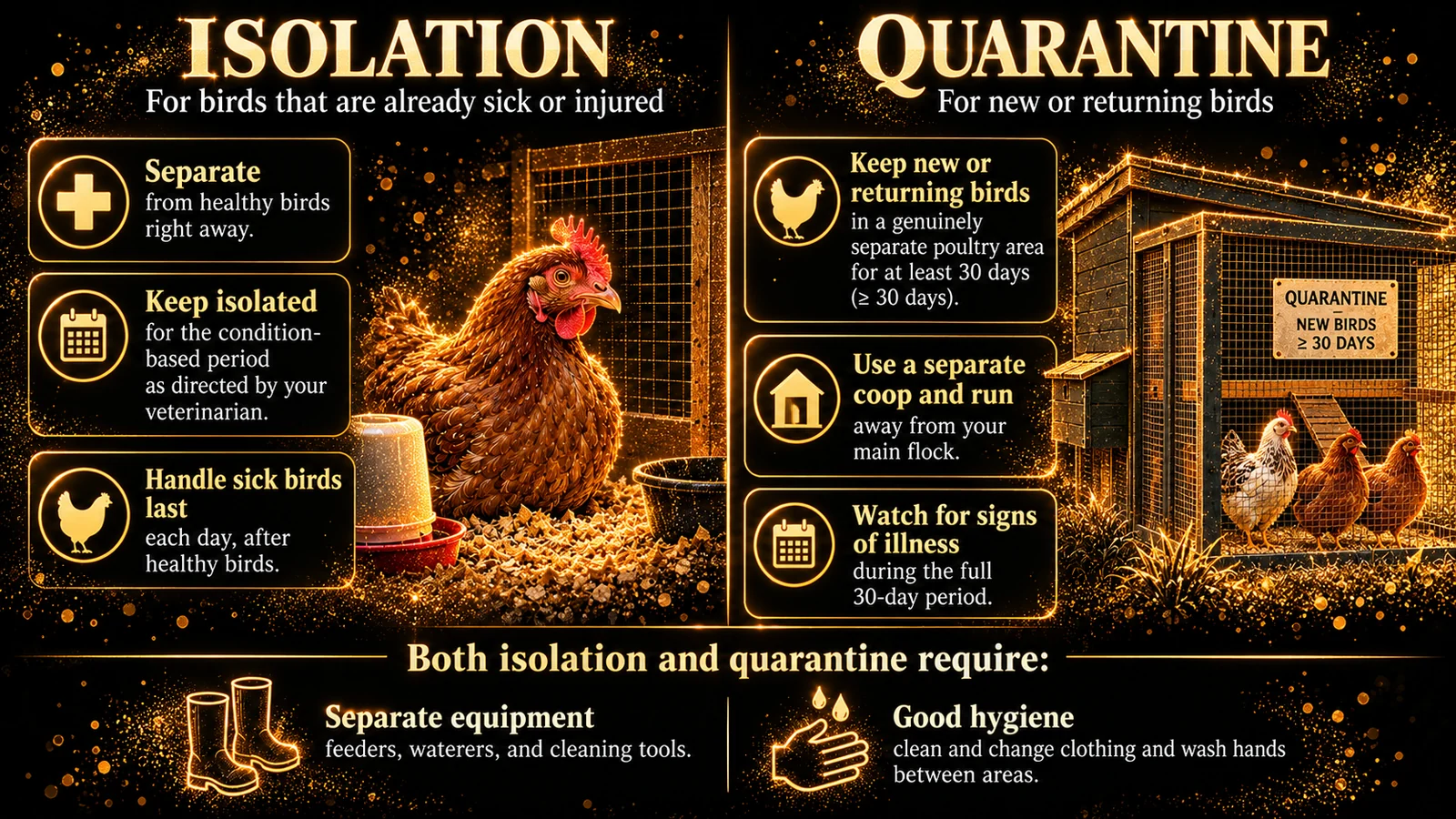
When caring for isolated birds, handle healthy birds first and the isolation pen last. Use separate equipment and dedicated footwear when possible. USDA biosecurity guidance emphasizes separating risk sources and maintaining a clean routine.
Step 2: Observe Before Handling
For an older bird, the aging-hen care guide provides longer-term observation and accessibility context. Age alone does not explain away new illness signs.
Stand quietly and look at the bird from a short distance. Handling can change her behavior and may worsen respiratory distress.
Ask:
- Does she respond normally when you approach?
- Is she eating and drinking? When did that change?
- Is her breathing quiet, or does she gasp, stretch her neck, or show visible effort?
- Is she upright and balanced? Limping? Sitting repeatedly?
- Has she stopped laying unexpectedly?
- Are other birds behaving abnormally?
- Does she look better after resting, or persistently worse?
Some hens become withdrawn when broody, molting or resting. But persistent dullness, weakness or respiratory effort needs investigation. The Merck Veterinary Manual’s backyard poultry examination guidance describes distance observation as an important part of assessing behavior and breathing.
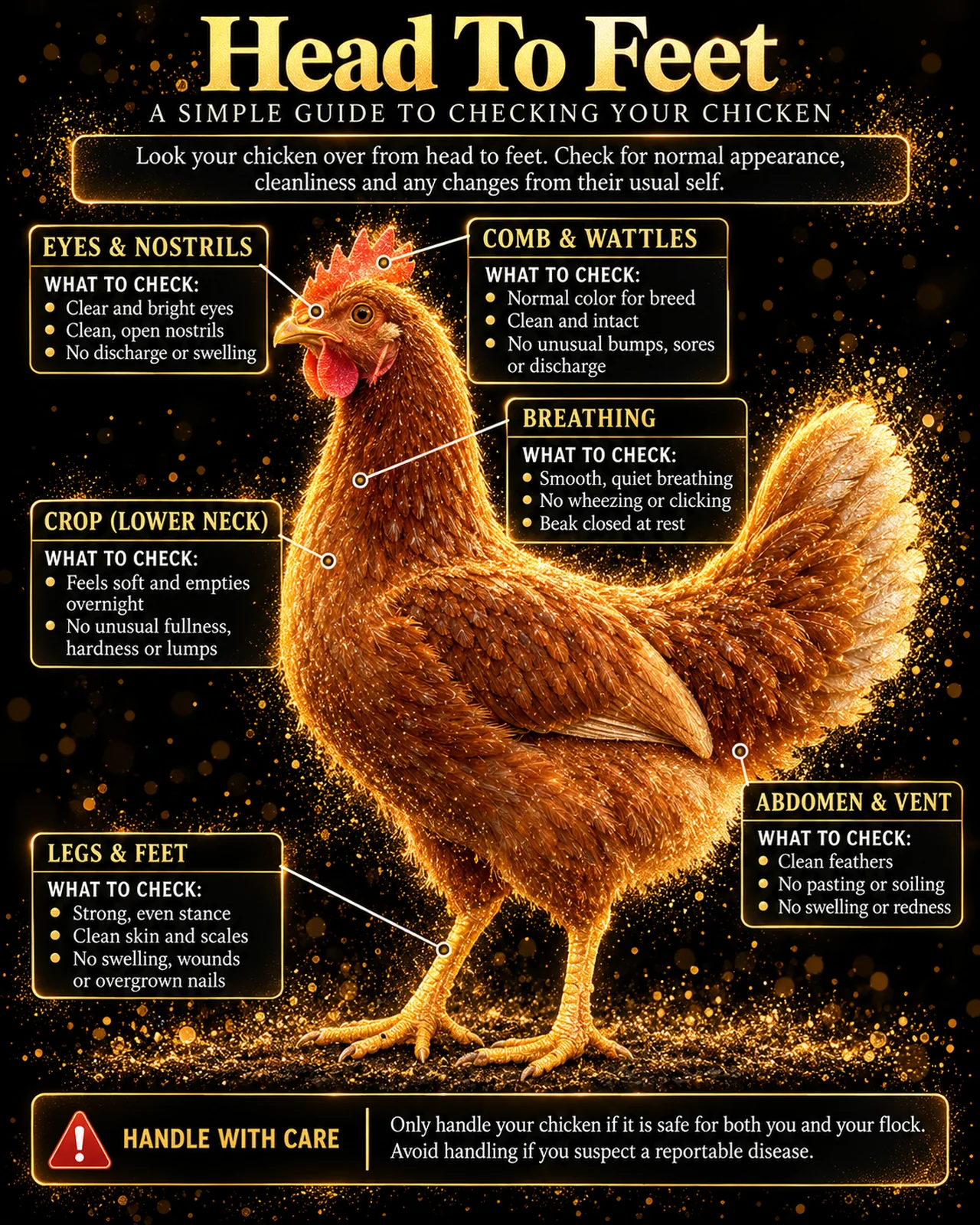
Step 3: Check the Chicken From Head to Feet
If there are no suspected high-consequence disease warning signs, and the bird can tolerate examination without distress, examine her gently. Support the body without compressing the chest or restraining her upside down.
Eyes, face and nostrils
Look for swelling, discharge, crusting, cloudy eyes, injury, mucus or nasal obstruction. Note changes compared with this bird’s usual appearance.
Breathing
Observe her breathing at rest. Severe effort, gasping or open-mouth breathing in an otherwise cool environment warrants prompt professional advice. Heat is only one possible cause of panting.
Comb and wattles
Color varies by bird and laying status. Dramatic swelling or unusual purple discoloration, especially combined with other sickness signs, should not be dismissed.
Body condition and crop
Feel for unexpected weight loss beneath the feathers only if gentle handling is safe. Remember that a crop normally changes throughout the day as the bird eats. A persistently abnormal crop is not a reason to turn a chicken upside down or induce regurgitation. Crop issues can have different causes and may need veterinary care.
Abdomen and vent
Look for swelling, severe straining, bleeding, protruding tissue, unusual discharge or heavy soiling. A hunched posture or waddling gait does not prove egg binding. Reproductive, digestive and other causes may look similar.
Legs and feet
Check for wounds, abnormal joints, swelling, limping, damaged nails and material wrapped around toes. An injury may explain a bird’s withdrawal without an infectious disease being responsible.
If handling produces marked stress, stop and obtain appropriate veterinary advice.
Step 4: Look at Droppings Without Diagnosing From a Photo
Chicken droppings vary with diet, hydration and normal cecal activity. One strange dropping is not a disease diagnosis.
Repeated watery diarrhea, blood, significant changes with weakness or weight loss, or a flock-wide change deserves investigation. Penn State’s backyard poultry deworming guide explains that worm-related symptoms such as diarrhea, weight loss and reduced laying are not specific, and microscopic fecal examination can help establish a worm burden.
Do not deworm simply because the poop looks unusual.
Step 5: Examine the Flock, Not Just the Individual
If several birds have problems, consider shared exposures: feed, water, heat, chemical hazards, wild-bird contact, or communicable disease. Record recent additions, environmental changes and any deaths.
If multiple birds become ill rapidly, several die, or severe breathing/neurologic signs occur, do not move, sell or give away poultry while the cause is investigated. Contact your State veterinarian or USDA. APHIS reporting instructions apply regardless of whether a backyard keeper can name the disease.
Safe Supportive Care While You Seek Answers
Keep initial care straightforward:
- Clean, easily accessible drinking water for a bird able to swallow normally.
- Appropriate complete feed, not a substitution of treats for nutrition.
- Dry bedding, calm surroundings and reasonable environmental comfort.
- Protection from pecking and predation.
- A log of eating, drinking, droppings, movement, breathing and any changes.
This is supportive care, not diagnosis or definitive treatment. Avoid force-feeding or giving liquid by mouth to a weak bird that cannot safely swallow. Contact a veterinarian for severe illness.
What not to do
Do not use antibiotics ‘just in case.’ Viruses, parasites, injuries, egg problems and environmental hazards will not necessarily respond, and chickens produce eggs and meat. The FDA’s veterinary drug guidance explains why approved use, veterinarian oversight and appropriate egg/meat withdrawal rules matter.
Do not start multiple treatments simultaneously. Adding dewormer, coccidiosis medication, antibiotics, vitamins and special feed at once may create new problems and obscure what is happening.
Do not ’empty’ a crop by turning a chicken upside down. Regurgitated contents can be aspirated and crop disorders need an appropriate diagnosis.
Do not scrape mouth lesions or force liquids down the throat. Such actions can injure the bird or compromise breathing.
Do not treat a severe injury as ordinary pecking-order behavior. Protect the injured bird and seek proper care.
When You Must Report Suspected Serious Flock Disease
Avian influenza and other reportable diseases cannot be diagnosed from a blog checklist. The important distinction is recognizing when disease control has become a priority over ordinary home troubleshooting.
USDA warns about unexpected deaths, flock-wide reduced appetite or egg production, gasping, head/neck swelling, purple discoloration, stumbling or twisting of the neck and watery green diarrhea. If several of these occur, or the flock deteriorates suddenly, restrict poultry movement, avoid unprotected contact and contact animal-health authorities. USDA APHIS: 1-866-536-7593, or your State veterinarian.
Protect people, too. CDC advises against unprotected contact with sick or dead birds when bird flu may be involved. Do not transport suspected infectious birds to clinics or other premises without first coordinating with the receiving professionals.
What Should You Tell a Poultry Veterinarian?
Useful facts are better than a guessed diagnosis. Write down the approximate age and breed, onset and progression, appetite and drinking, breathing and movement, egg history, droppings, injuries, recent weather, feed/water changes, any new birds, wildlife contact, products already given, and whether others are sick. Short videos of abnormal behavior may help when safely obtained.
Keep contact information for a veterinarian, local Extension service and your State veterinarian where you can find it quickly.
A Practical Chicken First-Aid Kit
Keep basic supplies rather than a cupboard of unprescribed medication: gloves, clean towels, gauze, a secure carrier, basic wound-flushing saline, separate feeder and drinker, a scale, and current professional contact numbers. A safe isolation area is often more valuable than another supplement.
If serious contagious disease is suspected, do not handle birds or contaminated materials without appropriate advice and protection.
When Can a Recovered Chicken Return?
There is no universal day count. A bird isolated for injury may return once wounds heal and interaction will not reopen them. A bird isolated for infectious disease may need veterinary assessment, additional precautions or a different timeline. After time away, established flockmates may reassert social hierarchy. Introduce gradually and monitor resources and aggression.
Remember: isolation is for birds already sick or injured; quarantine is for new or returning birds before flock contact. Our guide to introducing new chickens explains the standard 30-day quarantine and subsequent see-but-don’t-touch introduction.
Reduce the Next Emergency
Keep feed and water clean, control rodents and wild-bird access, inspect birds daily, provide safe ventilation, clean footwear and equipment, and quarantine newcomers. USDA’s everyday biosecurity checklist makes the point: consistent habits matter more than a perfect-looking emergency kit.
Watch behavior closely enough to know which bird normally approaches first, who is eating, and whether someone has changed. Prevention and early recognition are part of the same work.
Stewardship Means Paying Attention
Proverbs 27:23 urges people to know the condition of their flocks. That means noticing the hen that hangs back, checking the waterer that stopped working and recognizing when you need help.
Sometimes responsible care means adjusting a setup. Sometimes it means isolating an injured bird. Sometimes it means calling a veterinarian or reporting a flock problem that could spread.
Protect the bird. Protect the flock. Seek the right help.
Frequently Asked Questions
What should I do first when my chicken looks sick?
Check for emergency and possible serious-disease signs before handling. If appropriate and safe, separate the bird, offer basic supportive care and consult a veterinarian for concerning symptoms.
What are common signs of a sick chicken?
Persistent lethargy, reduced food or water intake, abnormal breathing, discharge, weight loss, abnormal balance, repeated diarrhea or major egg-production changes. None is a diagnosis by itself.
Should I give antibiotics to a sick chicken?
Not without an appropriate veterinary indication. Food-animal drug regulations and withdrawal periods can apply.
Should I deworm a chicken with diarrhea?
Not automatically. Multiple problems cause diarrhea; fecal examination helps assess worm burden.
How long should isolation last?
Long enough to address the actual health or injury concern, based on veterinary guidance when appropriate. It is not the same as a 30-day quarantine for newly acquired birds.
What if my chicken is panting?
Heat may be involved, but severe respiratory illness may look similar. See our chicken heat stress guide, check the conditions and escalate when breathing is labored or the bird is weak.
Who do I call if several chickens suddenly get sick or die?
Your State veterinarian or USDA APHIS at 1-866-536-7593, along with a poultry-capable veterinarian as appropriate.
Sources and Responsible Care
Technical claims are grounded in USDA APHIS, CDC, FDA, Merck Veterinary Manual, and Penn State Extension. This article is educational and cannot diagnose or treat an individual animal.