01 / FIELD NOTES
Start Your Flock
Make the first decisions before bringing the birds home.
Browse this collection →The backyard chicken field guide
Real flock. Real lessons.
Better chicken care.
Practical, source-checked guides for starting a flock, understanding your chickens, protecting their health and caring for them through every season.

01 / FIND YOUR WAY
Find warning signs, first steps and when veterinary help matters.
Open the Sick Chicken guide ↗Health guides help you recognize problems and seek appropriate help. They do not diagnose your bird or replace a poultry-capable veterinarian.
02 / THE COLLECTIONS
Browse by the decision in front of you. Each collection brings related guides together.
Make the first decisions before bringing the birds home.
Browse this collection →Good feed, clean water and routines that actually last.
Browse this collection →Recognize warning signs. Know when to call a vet.
Browse this collection →Space, shelter and security for an ordinary backyard.
Browse this collection →From the first nest check to safe food on the table.
Browse this collection →Find your fit. Understand the birds living together.
Browse this collection →Care through heat, cold and the whole life of a hen.
Browse this collection →03 / KEEP THESE CLOSE
Six useful places to begin. Chosen for the decisions they help you make.



05 / THE COMPLETE FIELD GUIDE
53 published guides. Search for a problem, a breed or a practical question.
53 guides
Try a simpler word, such as eggs or water, or clear your filters.
A living memorial for a chicken can be a tree, shrub or planter chosen in its memory. It does not require backyard burial or placing remains beneath the plant. If the death was unexplained, or other birds are…
Backyard chickens can support a lower-waste household, but keeping hens is not automatically the greener choice. Feed, water, housing materials, transport and pressure on the yard still count.
The Australorp deserves its reputation as a productive breed. It was developed in Australia with egg production as a major goal, has a famous history in laying contests, and is generally described as an active but gentle bird.
A flock that produces more eggs than your household uses can create a small opportunity: share the surplus, sell some legally, and learn whether the numbers actually work.
A quiet backyard routine can feel grounding. Feeding hens, collecting eggs and watching a flock scratch through leaves can be enjoyable, absorbing and a reason to step outside.
Backyard eggs can be fresher, more personal and more transparent because you know exactly how your hens are cared for. That does not make every backyard egg more nutritious, safer or cheaper than every grocery-store egg.
The Barred Plymouth Rock is one of the classic American backyard chickens for good reason. It is a large dual-purpose bird, lays brown eggs, and is widely described as calm and manageable. It also has well-supported cold-hardiness, although…
The main benefits of raising backyard chickens are eggs you collect yourself, a closer connection to food, an absorbing daily routine and, sometimes, enough surplus to share. Those benefits are real. So are feed bills, manure, predator protection…
The best chicken breeds for beginners depend on what you want from the flock. Start with Buff Orpingtons or Plymouth Rocks if calm handling matters most; compare Rhode Island Reds and Golden Comet hybrids if brown eggs lead…
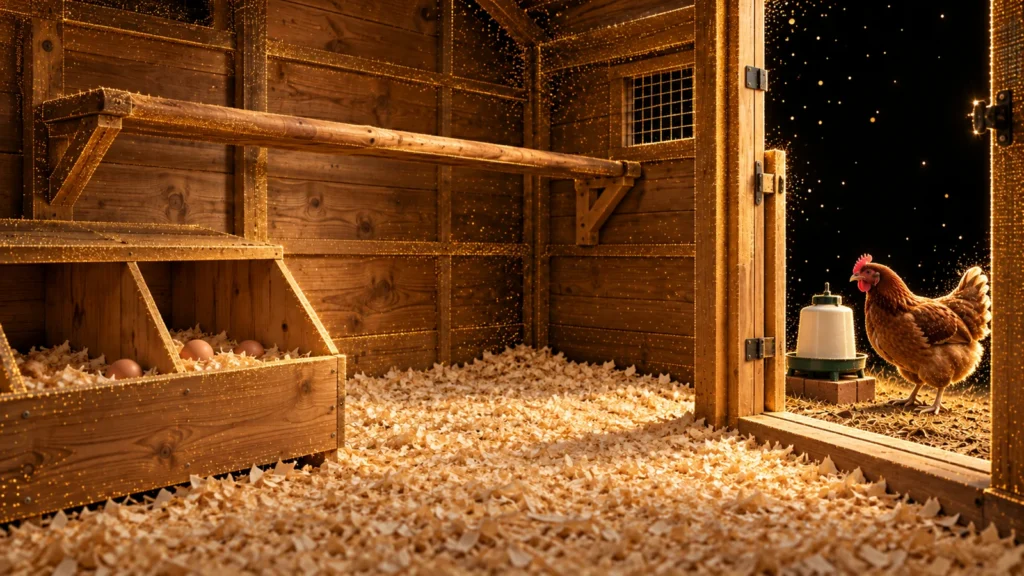
For a typical sheltered backyard coop, clean, dry, low-dust pine shavings are a sensible starting choice for chicken bedding. Hemp can be a worthwhile premium alternative if the particular product has little dust and its price works for…
The Brahma is one of the largest recognized chicken breeds and one of the better-supported choices for cold climates. The Livestock Conservancy describes it as calm and docile, good in cold conditions, and a good layer of winter…
A broody hen is trying to incubate eggs, sometimes even when her nest is empty. If she seems otherwise well, decide whether you actually want chicks. If you do not, interrupt nesting humanely while keeping feed, water and…
Buff Orpingtons have a deserved reputation for being calm, substantial backyard chickens. They are useful dual-purpose birds, lay brown eggs, and are one of the heavier breeds University of Minnesota Extension lists as overwintering well.
A drake can attempt to mount or mate with a chicken hen. Treat that behavior as a safety problem: physically separate the birds rather than waiting for an injury or hoping that more female ducks will solve it.…
Chickens and ducks can be kept on the same property, but sharing a coop and run is not the lower-risk arrangement for disease control. Current USDA guidance recommends keeping species separate, including their feed, litter and equipment. Plan…
Yes, chickens can eat fresh, plain pumpkin as an occasional supplemental treat. Offer a small amount of accessible flesh and seeds, keep their normal complete feed available, and skip spoiled or decorated pumpkins. Pumpkin seeds are not an…
A chicken dust bath needs dry, loose material the birds can scratch through and work into their feathers. Plain suitable soil or sand can do that job. You do not need a long ingredient list to provide an…
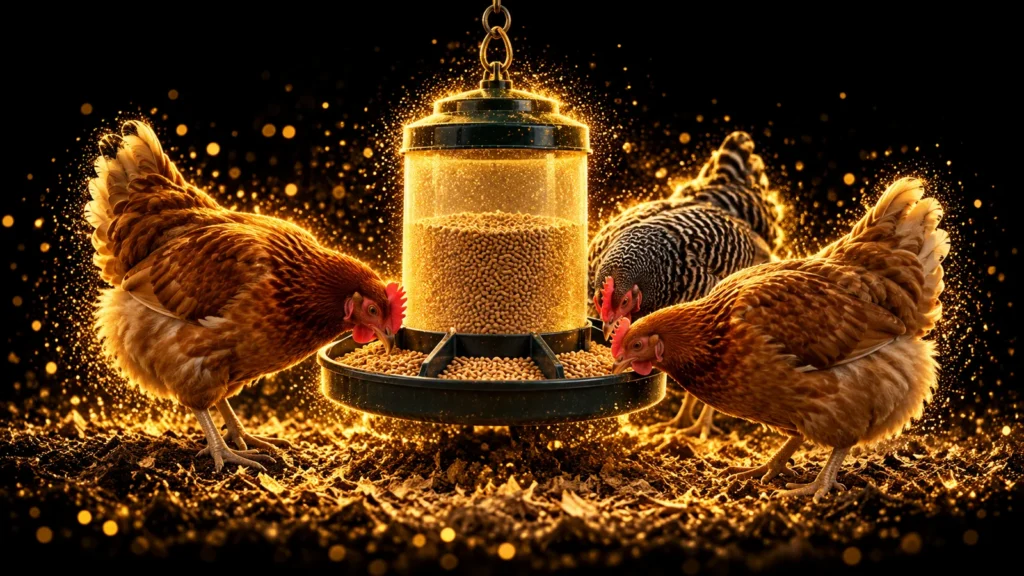
Good chicken feeder placement means a dry, sheltered location that every bird can reach without crowding or walking through droppings. For an ordinary open-tray feeder, start with the tray’s top lip near the birds’ back height, then watch…
Learn when panting becomes dangerous and how to improve shade, water, airflow, and emergency cooling practices.
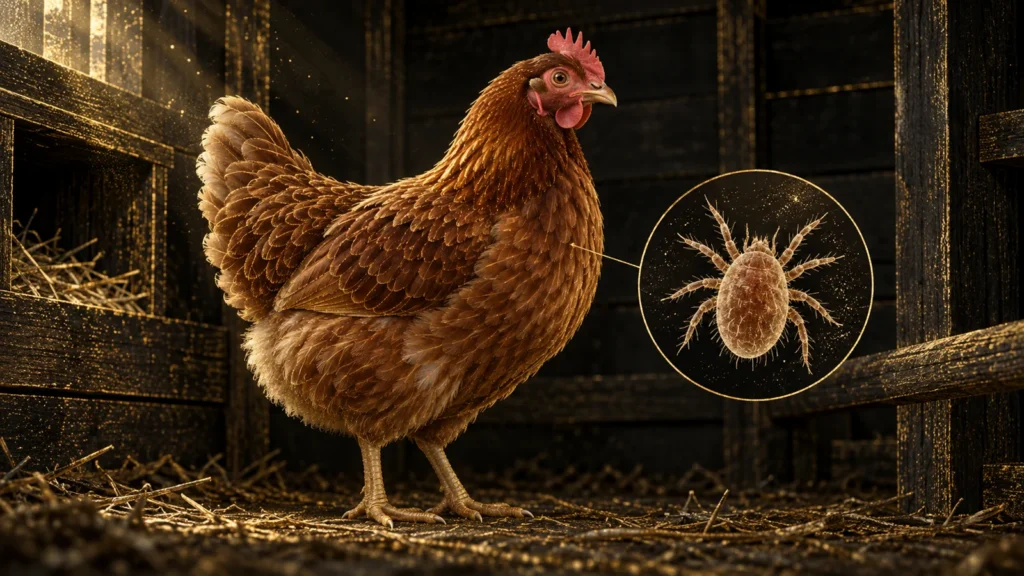
A hen keeps scratching. Feathers around her vent look dirty, and something tiny moves when you part them. Before buying a bottle of treatment, find out what you are looking at. Chicken mites and lice have different habits,…
Feathers on the coop floor can make a healthy flock look as though something terrible happened overnight. Then you notice the egg basket getting lighter. A natural molt may explain both changes, but it should never become an…
A coop can have enough floor area and still have an awkward interior. Eggs appear in the traffic lane, hens sleep in the nests, and the perch that looked spacious on paper becomes a nightly argument.
For standard adult laying hens with reliable access to a run, our practical starting plan is about four square feet of usable indoor coop floor and ten square feet of run space per hen. Plan roughly twelve inches…
A full water reservoir can be surprisingly useless. A stuck valve, a tipped fountain or a dominant hen guarding the only station can leave a bird thirsty while the keeper sees plenty of water.
Backyard chicken keeping can be spiritually meaningful, but not because a coop is automatically sacred or a fresh egg is automatically more righteous than a store-bought one.
A basket of fresh eggs is one of the best parts of keeping chickens. It is also food coming straight from an animal enclosure. The brown shell and familiar hen do not make an egg free of bacteria.
The cost of raising backyard chickens is your startup bill plus ongoing feed, bedding, supplies, utilities, repairs and care. Calculate each item from a quantity and your local price. For six adult hens, a thirty-day feed budget starts…
The harder question is whether a backyard flock controls pest populations enough to replace other pest-management methods. The evidence is much thinner than popular chicken blogs make it sound.
An Easter Egger is popular because of colorful eggs and variety.
Keep the Easter egg hunt outside the areas where chickens live or roam. Candy, plastic eggs, wrappers and decorative grass do not belong in the flock’s space. Plain, properly handled cooked egg is a different question from an…
If your hen is straining, very weak, struggling to breathe, collapsed or showing abnormal tissue at the vent, contact a poultry veterinarian now. Tell the clinic what you can see and ask about urgent assessment and transport. Do…
For a buyer, the more useful way to think about it is a production-oriented sex-link hybrid sold under a shared hatchery/trade name, not a standardized American Poultry Association breed.
A hen's laying career and her life are different things. A quieter egg basket does not automatically mean an unhealthy flock, and a bird who no longer lays still needs food, shelter and attentive care.
For most first-time backyard chicken keepers, 3 to 6 hens is a sensible starting range. There is no perfect number, though. Your available space, local rules, egg use, budget, and how much pressure you are willing to put…
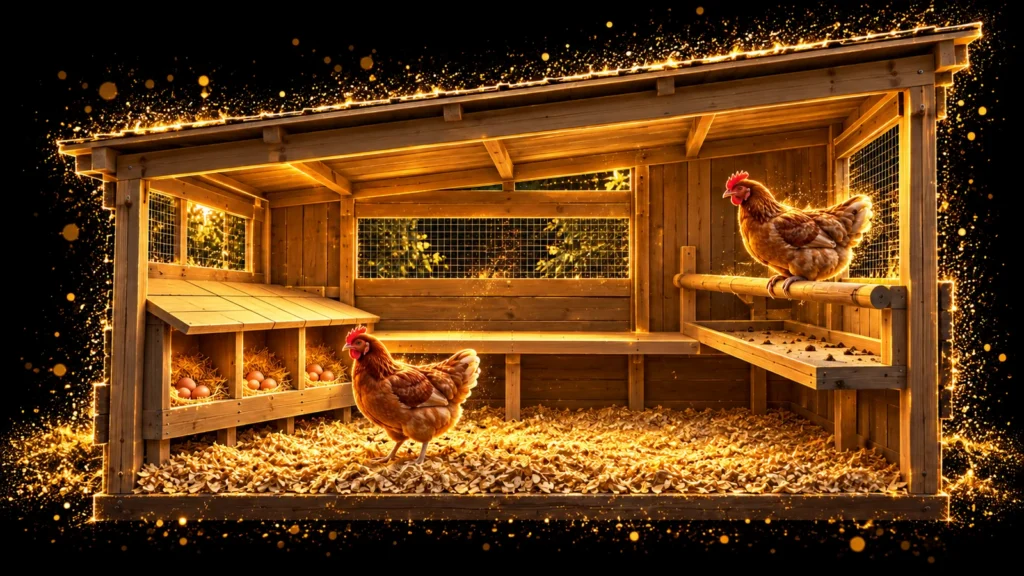
A chicken coop does not need to look like a showroom. It does need manageable bedding, clean drinking water and air that does not sting your eyes. Learning how to clean a chicken coop is mostly about noticing…
To grow grass with backyard chickens, keep birds off the planting area until the turf establishes, choose a grass suited to the site, and limit access enough for damaged plants to recover. Some yards can support grass and…
Protect flock health with 30 days of quarantine, then introduce birds gradually with visual contact, space, and supervision.
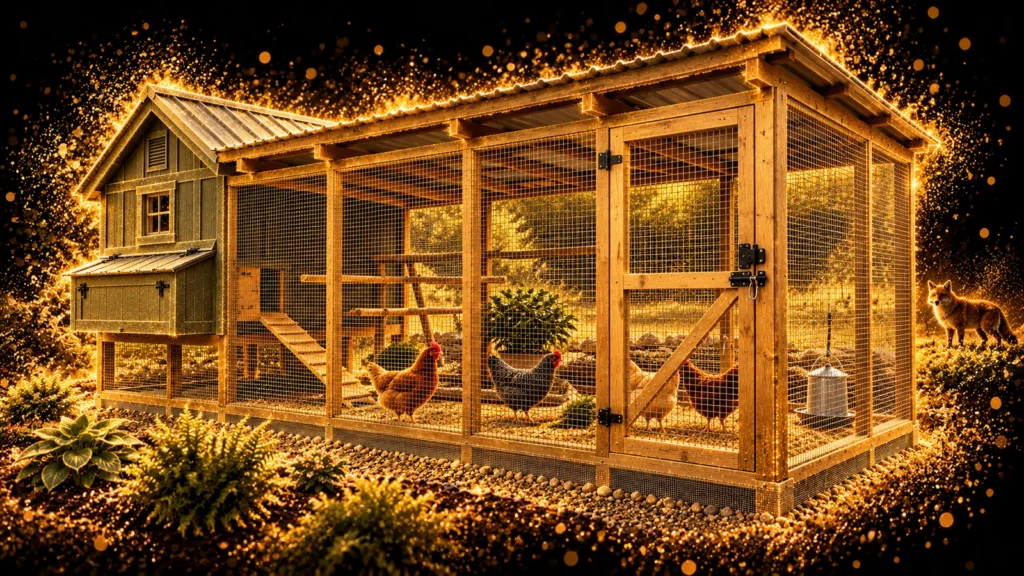
Inspect the four ways predators enter and reinforce the coop, run, roof, doors, and ground-level barrier.
The best cheap chicken feed ideas usually start with the feed you already buy: keep it out of the rain, stop it landing on the ground, and compare the price per usable pound. Replacing a balanced ration with…
To stop a bully chicken, protect any injured or persistently targeted bird first, then check space, feed and water access, environmental stress and health. Temporary separation can interrupt attacks while you correct the setup. It does not guarantee…
Winterizing a chicken coop starts with a dry shelter, steady ventilation, protection from direct drafts, clean unfrozen water, and enough complete feed. Repair leaks and wind gaps before cold weather arrives, then check the birds and their water…
Leghorns are famous for white eggs, active behavior and efficiency. They also sit behind much of the modern commercial white-egg industry.
That reputation is real enough that the Marans Chicken Club USA describes dark egg color as a defining breed characteristic and tells breeders not to neglect egg color and size in selection.
Set up a safe brooder, read your chicks’ behavior, choose the right feed, and care for young chickens through their first eight weeks.
Backyard chickens for kids can turn an ordinary chore into a useful conversation about animals, food and keeping a promise. They also bring germs, pecks, messy equipment and work that continues when a child loses interest. A family…
Rhode Island Reds earned their reputation as useful American farm chickens because they combine brown-egg production, substantial body size and general hardiness.
Spot serious warning signs, decide when to isolate, and know when a sick chicken needs veterinary help or disease reporting.
The Speckled Sussex is a large English dual-purpose chicken with one of the most recognizable color patterns in a backyard flock: rich mahogany feathers marked with black and white speckling.
What not to feed chickens: keep avocado, chocolate and caffeine, alcohol, moldy feed, and excessively salty foods out of the flock’s diet. Avoid raw or undercooked kidney beans, green or sprouted potatoes, and nightshade plant foliage. Other foods…
A hen can enthusiastically eat a bowl of scratch and still miss the nutrients she needs. Appetite is not a balanced-feed label.
The nesting boxes were busy last week. Today you lift the lid, find nothing, and start counting backward: when did the egg basket get this light?
Winter chicken memes can make a cold morning more entertaining. This collection pairs playful captions and imagined scenes with care notes; the jokes are not husbandry instructions. Chickens still need dry shelter, ventilation, complete feed and clean unfrozen…
Winter cover crops can be useful in a chicken yard, but not because they magically turn bare ground into free feed.
06 / LATEST FROM THE HENHOUSE
Recent publications, in the same order as the existing category archive.