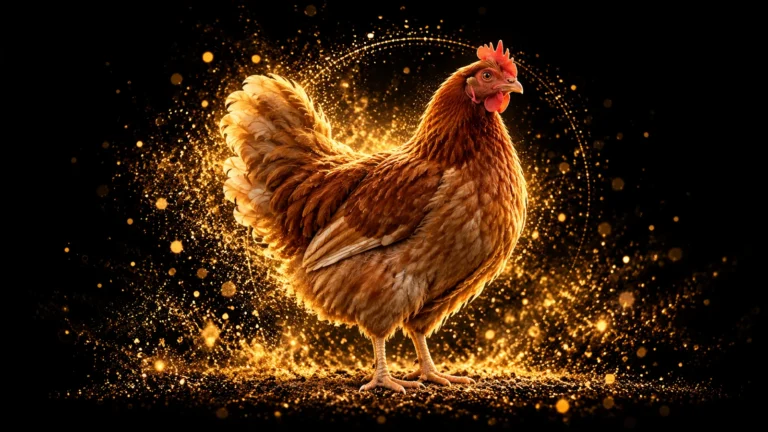

The Australorp deserves its reputation as a productive breed. It was developed in Australia with egg production as a major goal, has a famous history in laying contests, and is generally described as an active but gentle bird.
What it does not deserve is the internet label “built for heat.”
In fact, the Livestock Conservancy specifically cautions that black Australorps need ample shade in warm weather so they do not overheat. That one correction changes how the breed should be presented to Southern backyard keepers.
Updated October 6, 2026. Breed and husbandry sources checked for this remaster.
GUIDED ARTICLE EXPERIENCE
Australorp Chicken: Egg Production, Temperament & Climate Tradeoffs
Read along as the narration moves through the article.
Private device narration · No hosted audio or tracking
CONTINUE GUIDED TOUR
Continue where you left off.
GUIDED TOUR COMPLETE
You have reached the end of this study.
Study record saved on this device.
GUIDED TOUR
Australorp Chicken: Egg Production, Temperament & Climate Tradeoffs
Narrator: Paranoid Prophet Recommended Voice Native device narration
Prepare to follow the article as it is narrated.
VOICE & TOUR OPTIONS
Voice & Listening
NARRATOR
Finding a narrator…
Checking the best narrator available on this device.
Restores the best curated narrator available on this device.
Narrator choices are curated for clear, long-form listening on this device.
Screen-awake support will be checked when narration starts.
CHOOSE A NARRATOR
Curated for this device
Choose a verified narrator for this browser, or use System Narrator. Automatic mode uses the best reliable route exposed by this device; your chosen narrator is preserved even if this device needs a temporary fallback.
Preparing the guided article experience…
RESUME GUIDED TOUR?
Continue where you left off.
GUIDED TOUR COMPLETE
You have reached the end of this study.
Compare this mix of strengths and limits with Best Chicken Breeds for Beginners before choosing your flock.
Article Guide14 sections
Australorp quick facts
| Trait | Practical answer |
|---|---|
| Identity | Recognized chicken breed |
| Origin | Australia |
| APA class | English |
| U.S. recognized large-fowl color | Black |
| Comb | Single |
| Purpose | Dual-purpose, with strong egg-production selection history |
| Egg color | Tinted to light brown |
| Egg size | Medium to large |
| Egg production | Livestock Conservancy says 250+ annually; not a guarantee |
| Adult size | About 6.5 lb hens, 8.5 lb males in Conservancy profile |
| Temperament | Active yet gentle tendency |
| Broodiness | Variable; breed history and current sources show nuance |
| Climate caveat | Black birds need good shade in warm weather |
| Main drawback | Heat management and tendency to gain excess condition in confinement |
Where the Australorp came from
The Australorp developed from Black Orpington stock imported into Australia, but Australian breeders pushed the birds in a different direction.
Instead of prioritizing the heavier meat type being developed in England, Australian breeders selected strongly for egg production and utility.
That selection eventually produced a distinct breed.
The American Poultry Association recognized the Australorp in 1929. In the United States, the APA recognizes Black as the large-fowl variety, although other Australorp colors are recognized in some countries. Oklahoma State’s breed overview also lists blue-laced and white varieties, without specifying their recognition jurisdiction; the APA’s current accepted-varieties table is the authority for U.S. standard recognition.
The famous egg records: impressive history, not a promise
Australorp history includes extraordinary egg-laying contest results.
The Livestock Conservancy records a pen of six Australorps averaging 309.5 eggs each over 365 days, followed by individual historical records that reached 347, 354 and eventually 364 eggs in a year.
Those records explain the breed’s reputation.
They do not mean a backyard Australorp should be marketed as a 364-egg hen.
The same current Conservancy profile gives a much more useful backyard figure: 250+ tinted to light-brown eggs per year.
Even that should be treated as source context rather than a guarantee.
Age, line, daylight, nutrition, molt, health and management all affect actual output.
Temperament: active but generally gentle
The Livestock Conservancy describes Australorps as active, yet gentle.
Mississippi State University Extension also places Australorp among friendly breeds.
That is more useful than calling them universally docile.
A typical Australorp may fit a mixed backyard flock well, but individual behavior still matters. Roosters should never be assumed safe simply because a breed has a good reputation.
For families, think “generally manageable tendency,” not “child-safe chicken.”
The heat myth: black Australorps still need shade
The old version of this page called Australorps heat specialists because the breed came from Australia.
That logic does not hold.
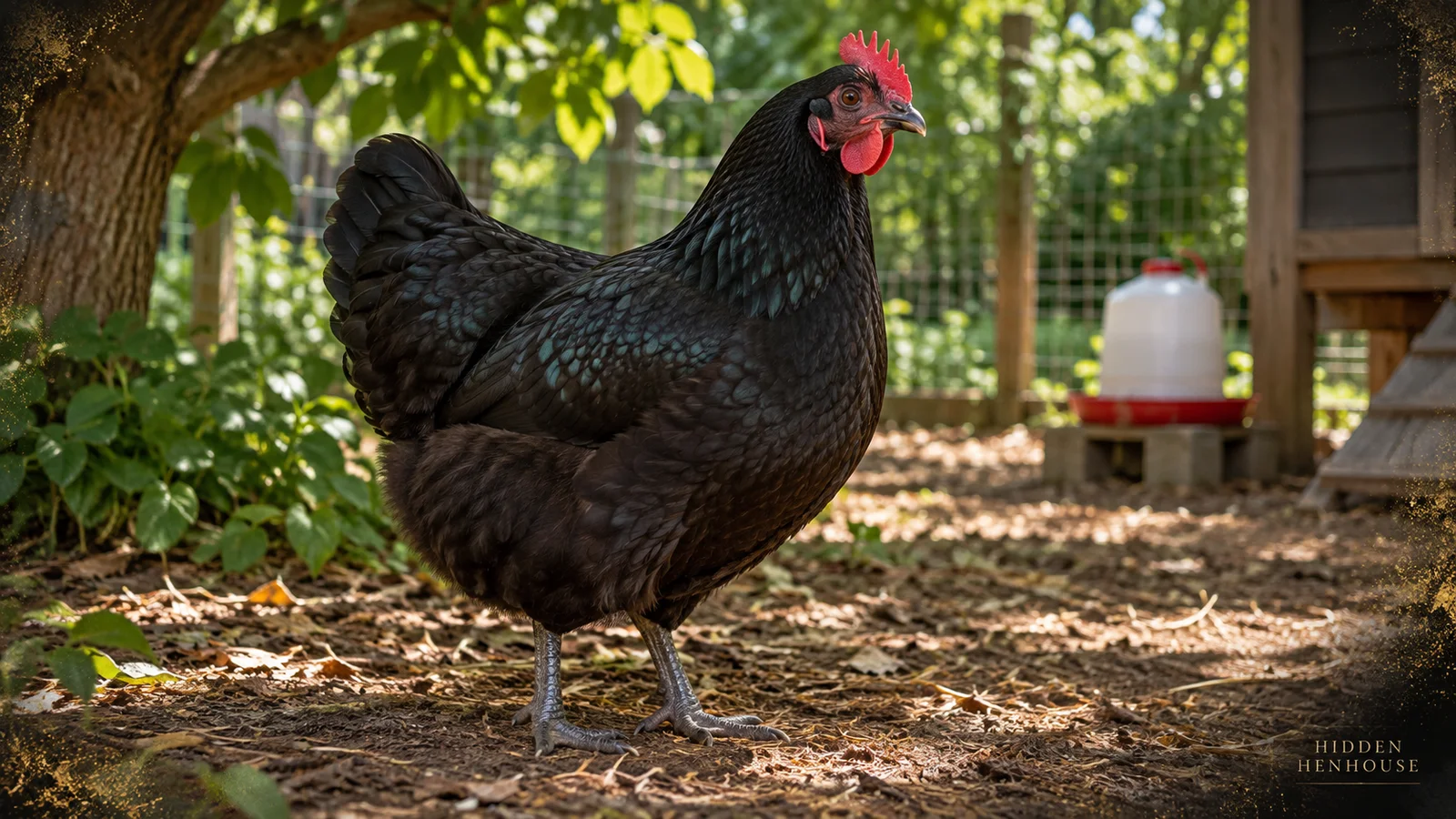
The Livestock Conservancy’s current profile states that, because of their black color, Australorps do best with ample shade in warm weather so they do not get overheated.
That does not make them impossible in the South.
It means they should not be selected because someone promised they are unusually heat-proof.
In hot weather, provide:
- shade throughout the day
- strong airflow / ventilation
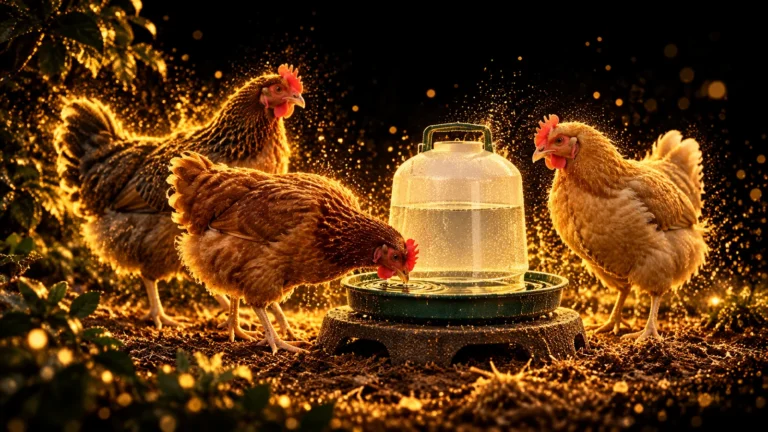
- abundant fresh, cool water
- observation for panting, wing spreading and lethargy
- enough space that birds are not forced into one hot area
Those are flock-management requirements, not breed hacks.
Source disagreement: The Conservancy’s 2026 comparison chart labels Australorps suitable for both cold and heat, whereas its detailed profile specifically warns that black birds need ample shade to avoid overheating. The chart also lists large brown eggs, while the detailed profile describes medium-to-large tinted or light-brown eggs. The chart’s printed “250–250” annual figure is not explained. We use the detailed profile’s qualified 250-plus figure rather than silently repairing that apparent chart error. These summaries do not establish a heat-proof breed; dependable shade remains the practical choice. See the 2026 Conservancy comparison chart.
What about cold weather?
Do not reverse the old mistake by declaring Australorps cold specialists either.
They are substantial birds, but the source set for this profile does not justify a universal cold-superiority claim.
Use normal winter husbandry: dryness, ventilation, direct-draft protection, unfrozen water, complete feed and observation for cold stress.
The site’s Winterizing Chicken Coop and Run guide owns those decisions.
Broodiness: the history is more interesting than a yes/no label
Australorp development included breeding aimed at reducing broodiness so hens could keep laying.
Yet the Livestock Conservancy’s current breed profile says Australorps are generally considered good sitters and mothers.
That apparent tension is useful.
It tells us not to flatten the breed into “broody” or “non-broody.”
Line and individual matter.
If natural hatching is important, ask the breeder what broodiness actually looks like in their birds.
If broodiness becomes a management issue, use the site’s Broody Hen Behavior guide.
Confinement, foraging and body condition
The Livestock Conservancy notes that Australorps do well in confinement if they are also allowed some foraging, which they enjoy.
It also warns that birds kept only in confinement may get fat.
That is a more breed-specific management point than repeating generic square-foot rules.
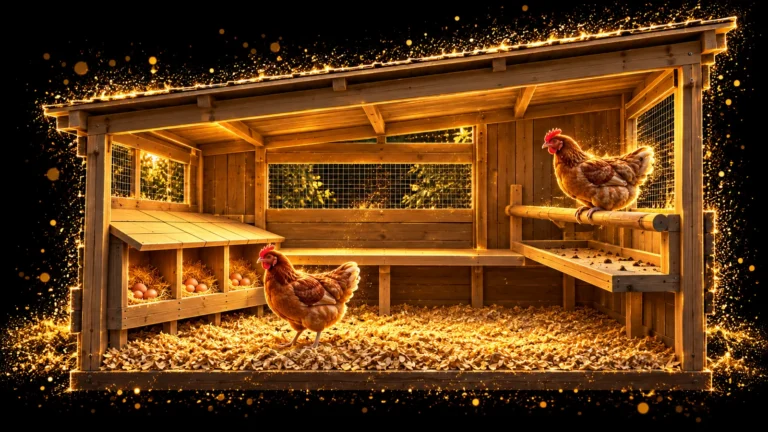
Plan actual housing through the site’s Chicken Space Requirements guide, then give birds enough opportunity for normal movement and foraging behavior.
Main drawbacks
An Australorp may be a poor fit if:
- your yard has intense summer sun and weak shade
- you want a small-bodied layer
- you want a breed guaranteed never to go broody
- you expect historical laying-record numbers from ordinary backyard stock
- your setup keeps heavy birds sedentary with little opportunity to move
- you are buying a non-black bird in the U.S. and assume it is an APA-recognized large-fowl variety
The breed is good, but its real strengths are strong enough that it does not need exaggerated heat claims.
Who should choose an Australorp?
Consider Australorps if you want:
- strong egg-production potential
- a substantial dual-purpose bird
- a generally gentle temperament
- a breed with real production history
- a black standard-bred bird with striking green sheen
- enough yard setup to provide shade and normal activity
Choose something else if your top priority is a heat-specialist bird for an exposed, high-sun setup.
What to ask a breeder or hatchery
- What has this line been selected for: exhibition type, utility, egg production, or general backyard use?
- Is the stock Black Australorp, and is standard-bred recognition important to you?
- What annual production do you actually observe?
- How often do hens in this line go broody?
- What are the adult birds like temperamentally?
- How does the line perform in your local summer conditions?
- How large do your mature hens and males normally get?
Australorp FAQ
Are Australorps good egg layers?
Yes, egg production is one of the breed’s major historical strengths. The Livestock Conservancy describes backyard Australorps as laying 250+ eggs a year, but actual output varies.
Did an Australorp really lay 364 eggs in a year?
The Livestock Conservancy documents that historical contest record. It is breed history, not a reasonable promise for every modern backyard hen.
Are Australorps heat tolerant?
Do not treat them as a heat-specialist breed. The Livestock Conservancy specifically advises ample shade in warm weather because black Australorps can overheat.
Are Australorps friendly?
Authoritative sources describe them as active yet gentle or friendly. Individual birds and lines still vary.
Do Australorps go broody?
They can. The breed’s development included selection against broodiness, while the current Conservancy profile still describes them as good sitters and mothers. Ask about the actual line.
What color Australorp is recognized in the U.S.?
The American Poultry Association lists Black as the recognized large-fowl Australorp variety in the U.S.
Stewardship means choosing for reality, not mythology
The Australorp does not need to be “perfect for hot climates” to be a very good chicken.
Choosing a breed responsibly means respecting both its strengths and its limits. For the Australorp, that means valuing production and generally gentle behavior while planning honestly for shade, space and individual variation.
Authoritative sources
- The Livestock Conservancy, Australorp Chicken
- American Poultry Association, Accepted Breeds & Varieties
- Oklahoma State University, Australorp Chickens
- Mississippi State University Extension, Choosing the Right Breed for Your Backyard Flock
- University of Minnesota Extension, Preventing Heat Stress in Poultry
- Mississippi State University Extension, Protect Backyard Chickens from Extreme Heat